XChange NexGen 2025 (October 19–21, Houston, TX) is the conference for high-velocity, services-led, security-focused MSPs building a next-gen portfolio of managed services. With an estimated $329 billion managed services market by 2025, NexGen draws providers looking to explore emerging tech, capture market signals, add long-term strategic partners, connect with peers they trust, and convert those insights into recurring revenue.
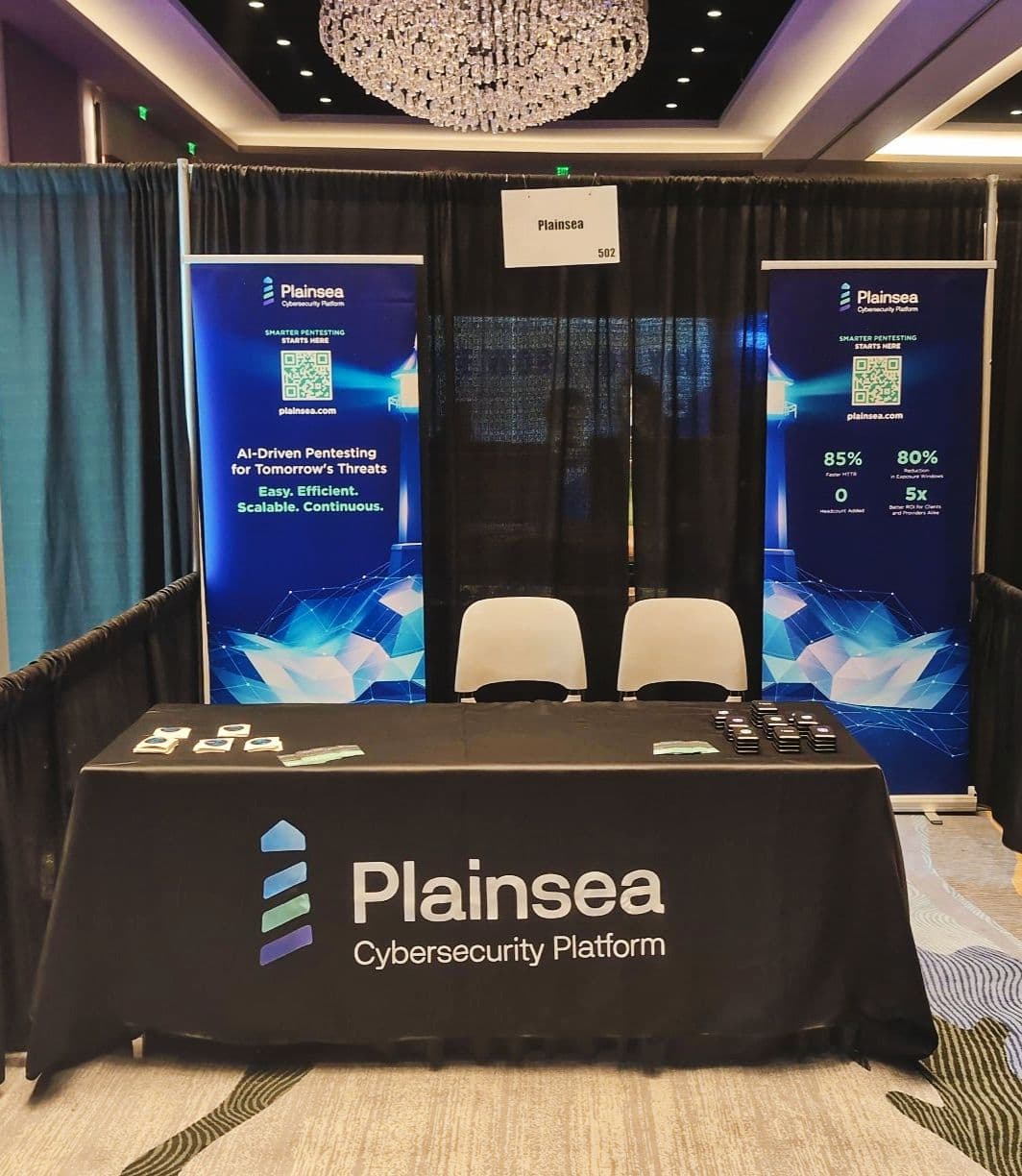
Against that backdrop, Plainsea came to Houston to show how continuous, AI-augmented pentesting can fit naturally into the MSP portfolio.
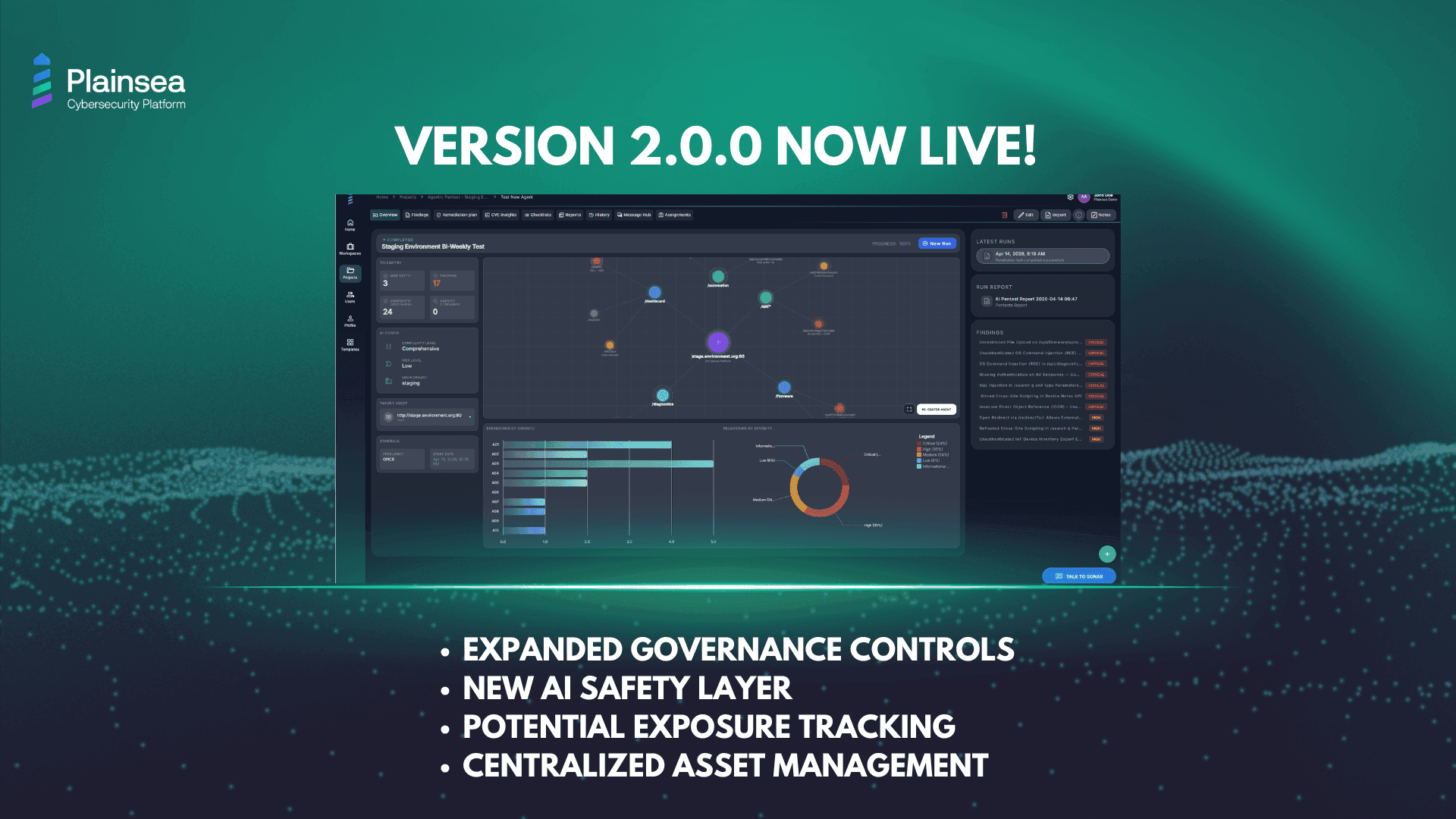
From its stand, the company advanced a clear argument: pentesting shouldn’t sit as an occasional project. It should run continuously, delivered through the MSP’s existing service model. The platform centralizes test orchestration, customer contexts, and attack surfaces, combining automation for speed with human validation for signal quality.
In a specially curated boardroom session, CEO Marko Simeonov and CTO Angel Angelov mapped that model to day-to-day operations. They explained how coverage can be driven by change events or scheduled cadences, with audit-grade reporting that slots into compliance workflows. The emphasis was on predictable commercial model and clean handoffs to service desks – without building a bench of full-time pentesters (a talent pool that’s already scarce and stretched thin across providers).
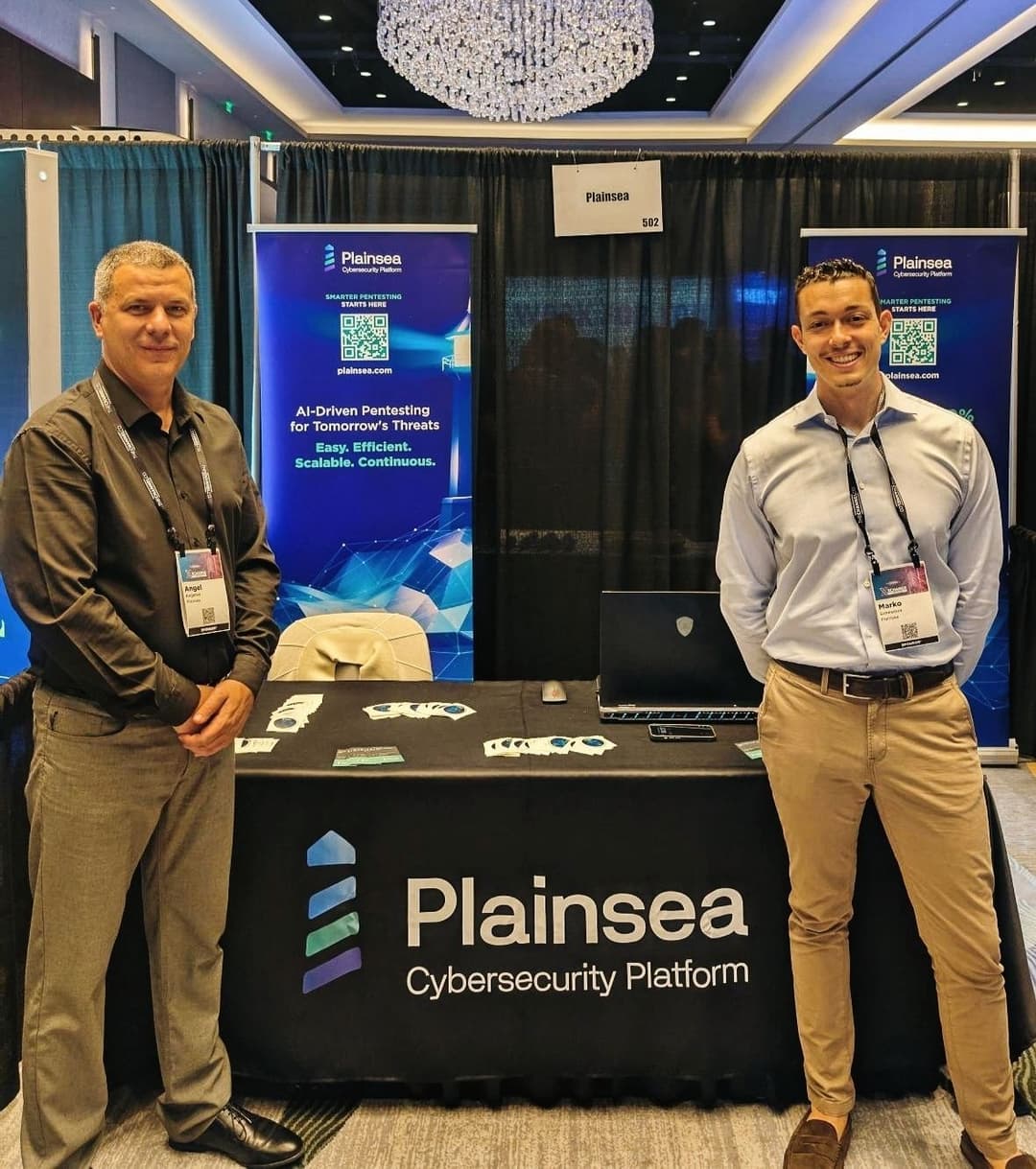
Feedback was strong and incredibly positive: steady booth traffic, follow-up requests from MSP leaders, and clear interest in piloting continuous, AI-driven testing as a service.
The conversation matched a broader shift visible across the industry: customers are reshaping infrastructure weekly, yet many providers still test quarterly or annually. That gap leaves long exposure windows. Plainsea’s approach targets those windows directly – shrinking time-to-validation and remediation while preserving margins.
For MSPs, the draw is operational: standardize delivery, reduce manual lift, and align offensive security with recurring revenue mechanics. The expected business effects – faster scale, lower cost to deliver, and room to grow ARR – are a function of the operating model, not promises.
If NexGen was about assembling a next-gen services portfolio, Plainsea’s contribution was a practical blueprint for how to advance pentesting to a modern standard. For providers navigating volatile risk and fixed resources, that’s not a new trend – it’s the new baseline – one that puts Plainsea on the short list of trusted partners.